Ultimate Abrasion & Chemical Shield
Durable basalt lining tiles for bunker walls, chutes, hoppers, and silos—offering high wear, thermal and corrosion resistance in bulk material systems. basalt lining tiles provide heavy-duty abrasion, corrosion and thermal resistance—ideal for lining bunkers, chutes, hoppers and silos handling abrasive bulk materials.
Instant InquiryBasalt casting was used as a replacement for iron and steel, which were in short supply after WWII. The crushed natural basalt is heated back to molten lava and then poured into molds to make components such as pipes and floor tiles, which are incredibly hard-wearing and abrasion-resistant.
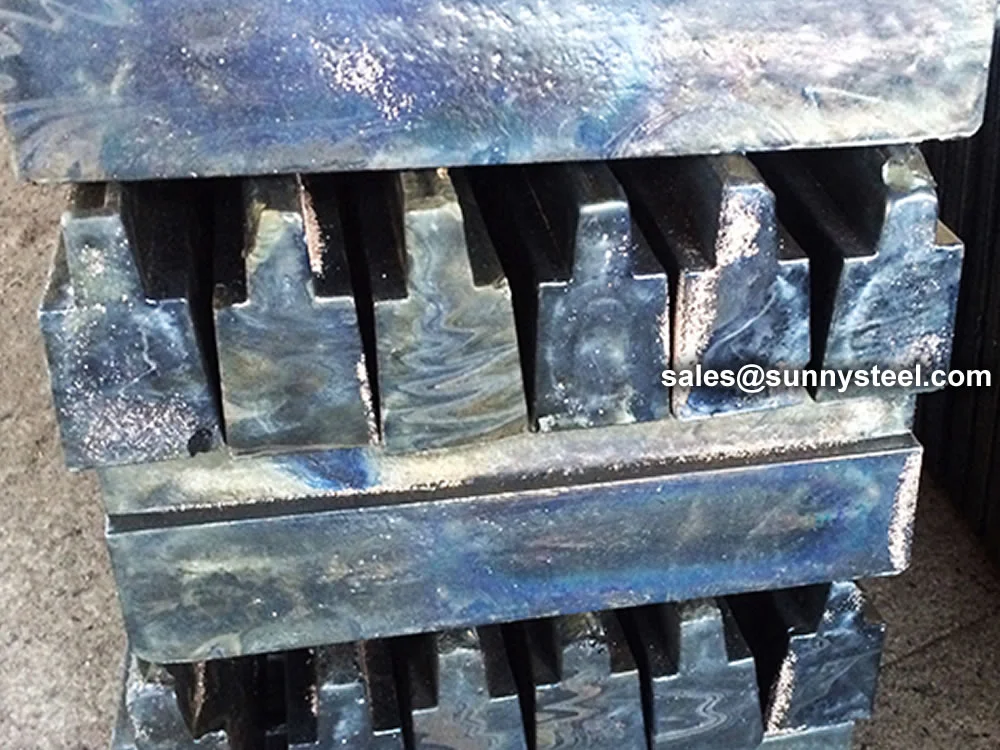
Cast basalt can be formed into a diverse range of shapes and surface patterns, including bespoke designs (min 325m²). During the cooling process, the surface of the material achieves a glass-like patina, with an iridescence and texture that is unique to each piece.
Cast basalt is produced by melting selected natural basalt – broken into sizes of 20–50 mm – in shaft furnaces at temperatures around 1,300°C, followed by casting into the desired molds. Of fundamental importance is the subsequent tempering process, in which the molten basalt forms uniform, spherulitic crystals that contribute to its physical properties such as extreme hardness and abrasion resistance.
Cast basalt is the most frequently used wear protection material. The main areas of application are the wear-resistant linings for:
The walls and outlets of bunkers, silos, and other tanks used for the storage of bulk materials are subject to strong abrasive wear. Strong friction wear occurs when emptying is compounded by impact wear during the filling process.
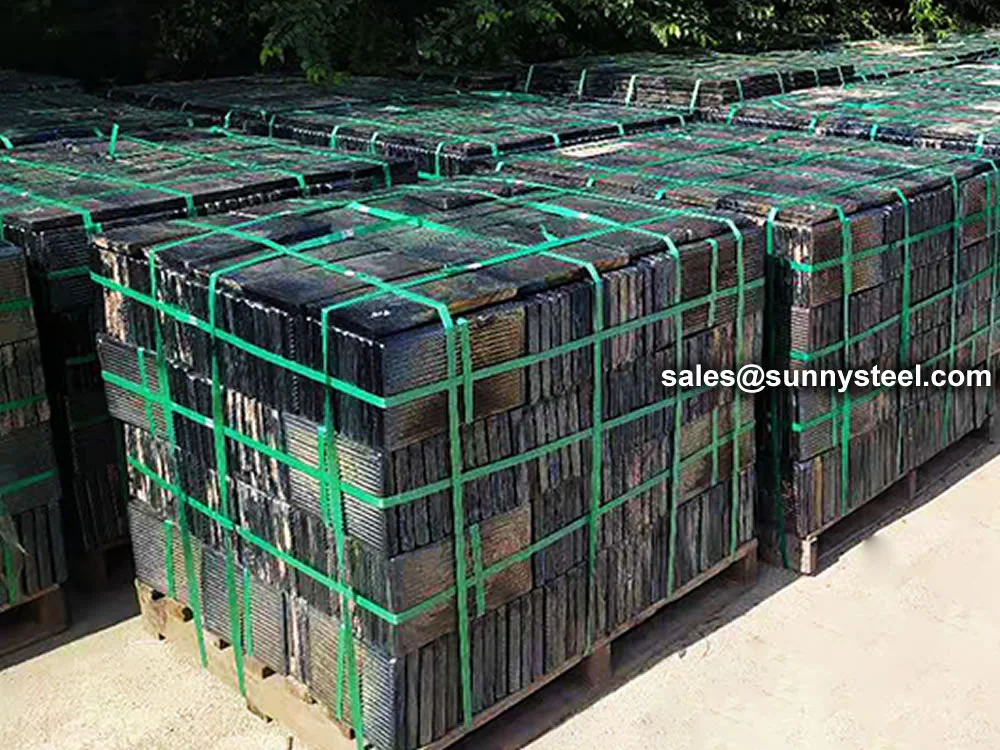
A wear-resistant lining with hexagonal or rectangular cast basalt tiles has proven to be a successful and economical solution. Special form pieces are manufactured for the flutes and the bunker saddles. Circular bunkers and silos are lined with radial, rectangular, or hexagonal form pieces that precisely match the required circumference.
To improve adhesion, corrugated wire mesh is spot-welded to the vertical steel walls.
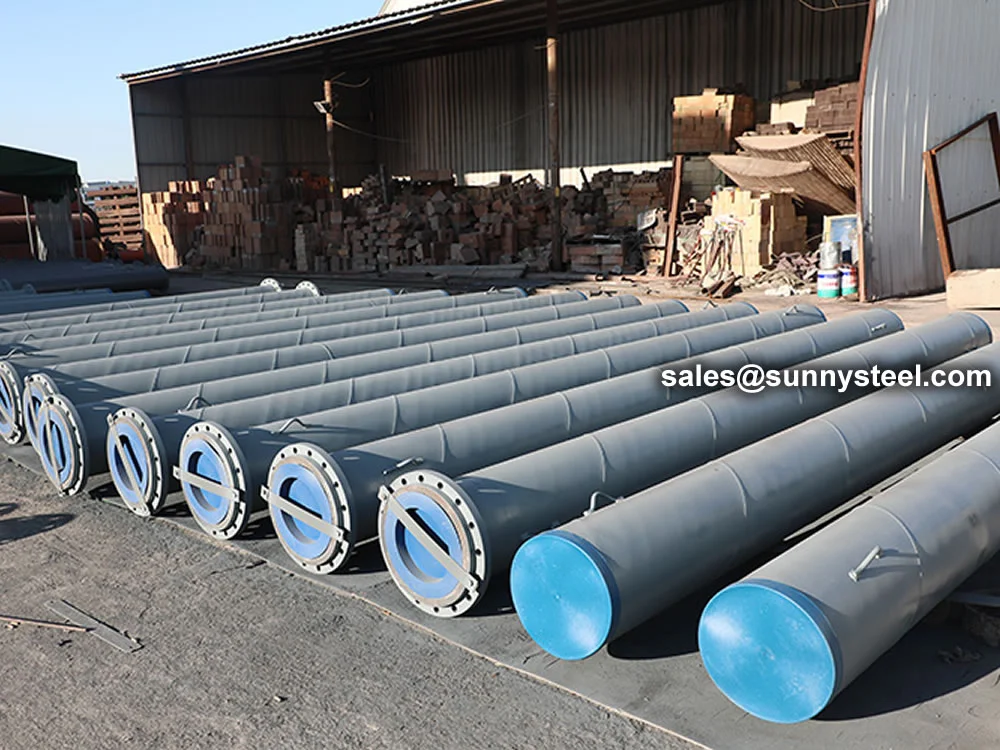
The transport of abrasive media, in fact of virtually all granular materials, in enclosed pipelines has the advantage that it is non-polluting, generates neither dust nor smell, and even saves valuable space. Completely lined pipes can be manufactured with the following maximum lengths:
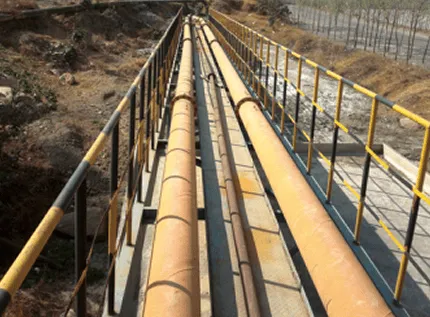
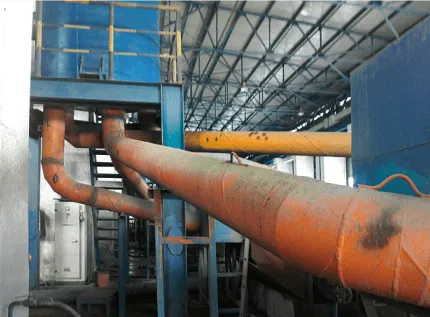
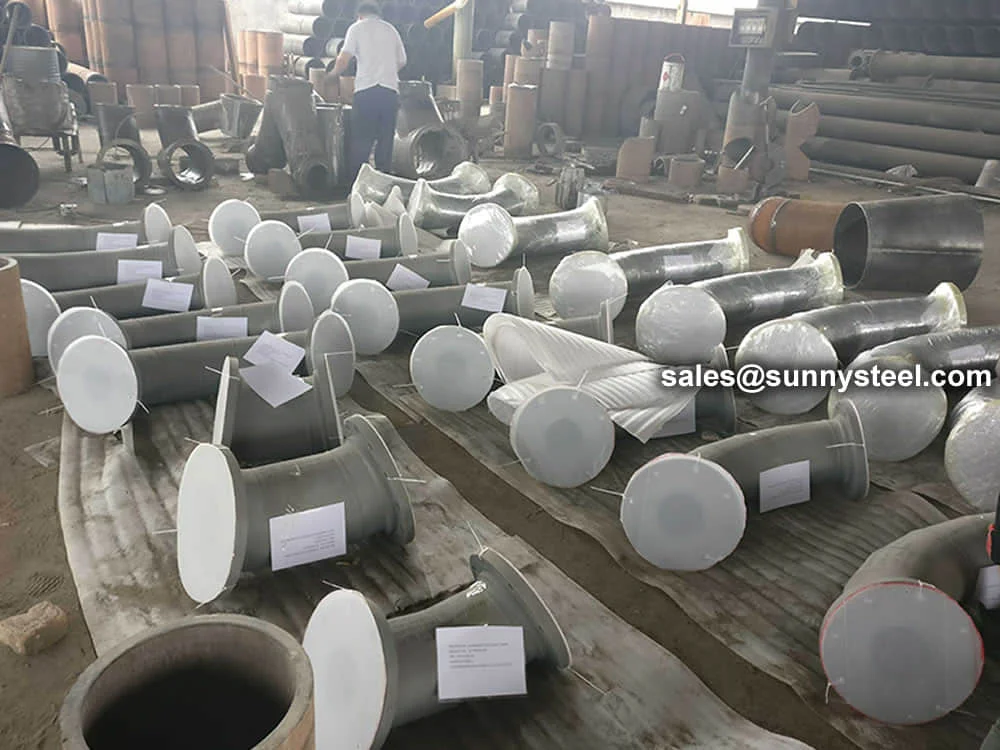
Cast basalt lined piping is extremely wear-resistant and is used wherever highly abrasive materials are conveyed pneumatically or hydraulically, for example:
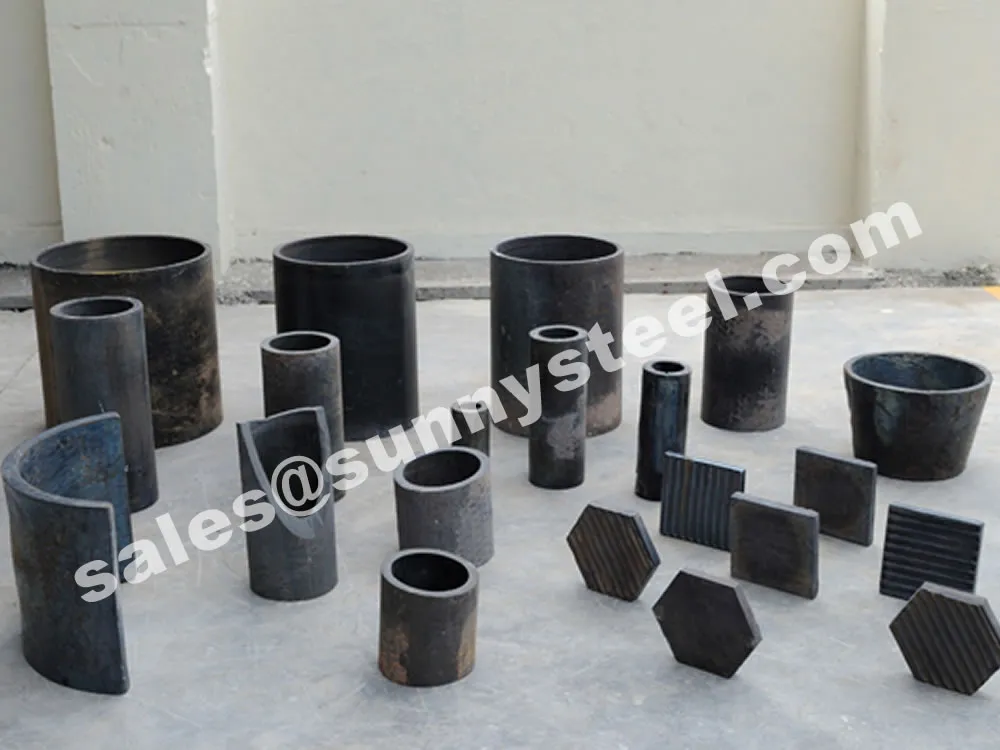
Cast basalt is a volcanic mineral material known for its exceptional abrasion resistance, complete impermeability to moisture, high compressive strength, and resistance to most acids and alkalis. It is entirely corrosion-proof, making it ideal for harsh industrial environments.
It is produced by melting selected natural basalt, crushed into 20–50 mm fragments, in shaft furnaces at approximately 1,300°C. The molten basalt is then cast and crystallizes into a uniform phaneritic structure, resulting in excellent hardness and wear resistance.
Cast basalt has a minimum hardness of 8 on the Mohs scale (diamonds are rated 10), making it extremely effective for abrasion and erosion protection.
Like other ceramics, it is sensitive to impact. Under normal service conditions, cast basalt withstands temperatures from -40°C to +350°C, but it should not be subjected to thermal shock.
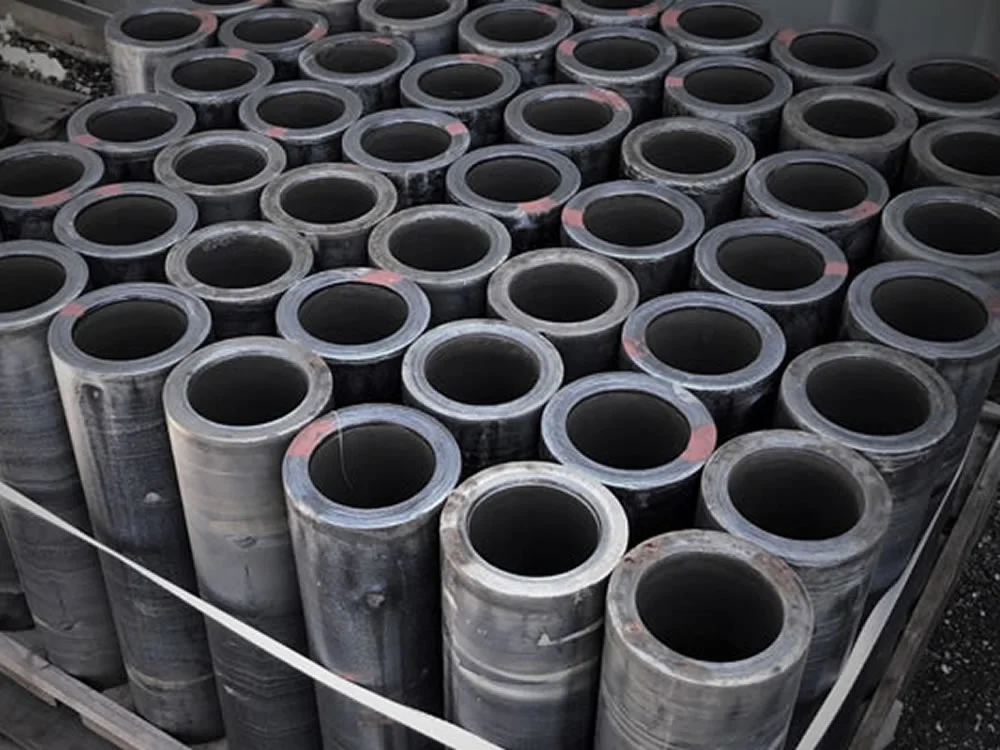
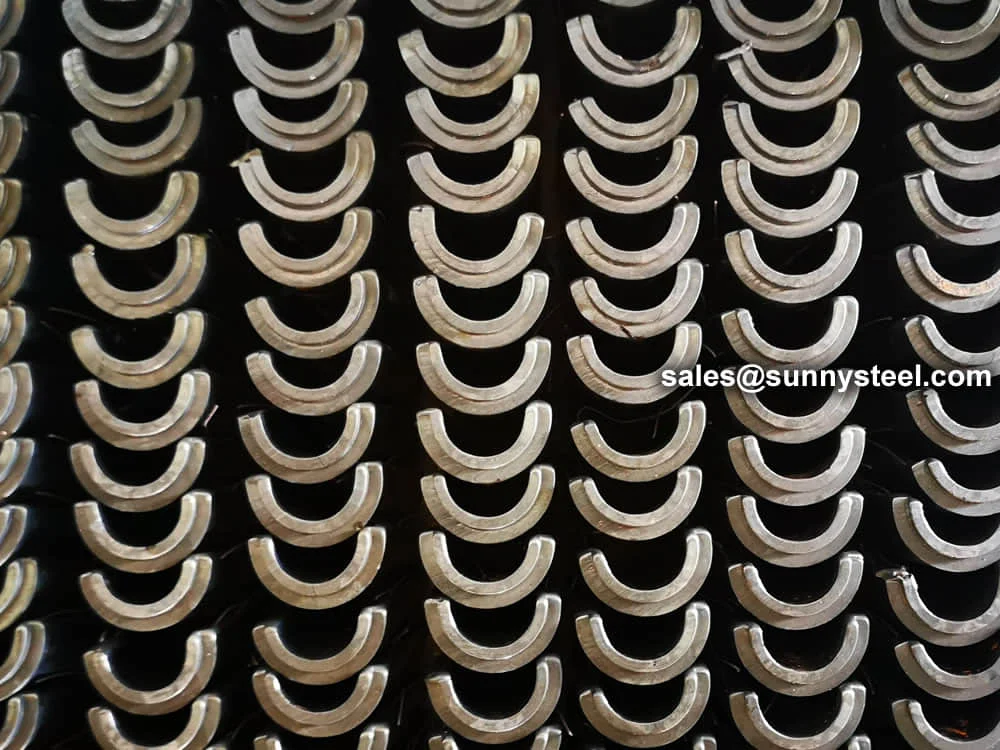
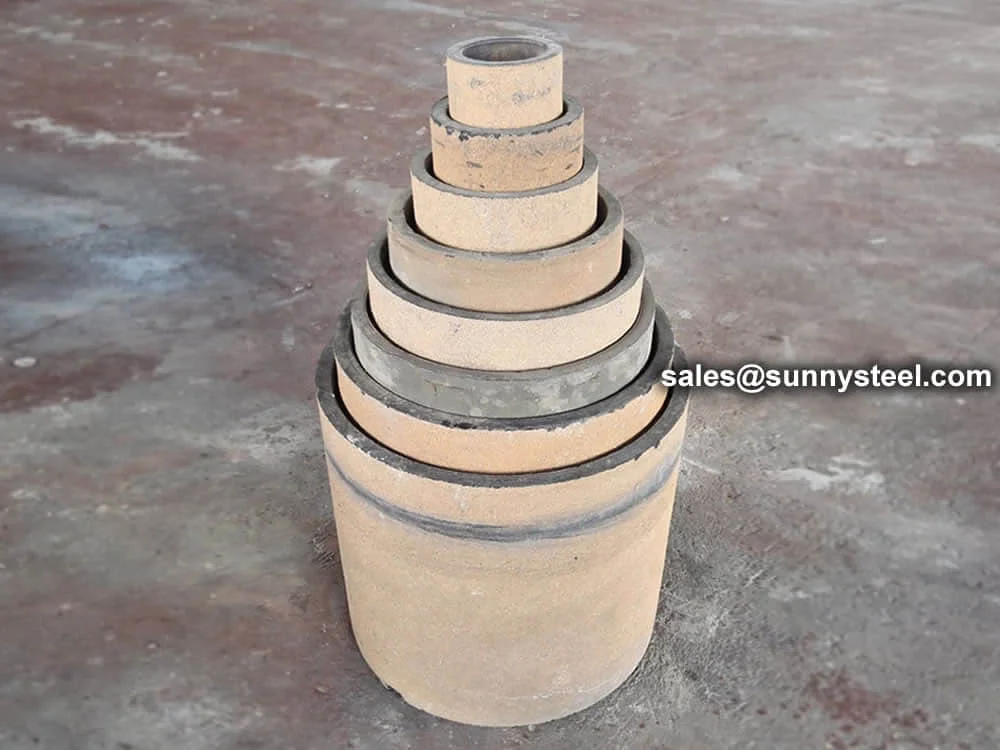
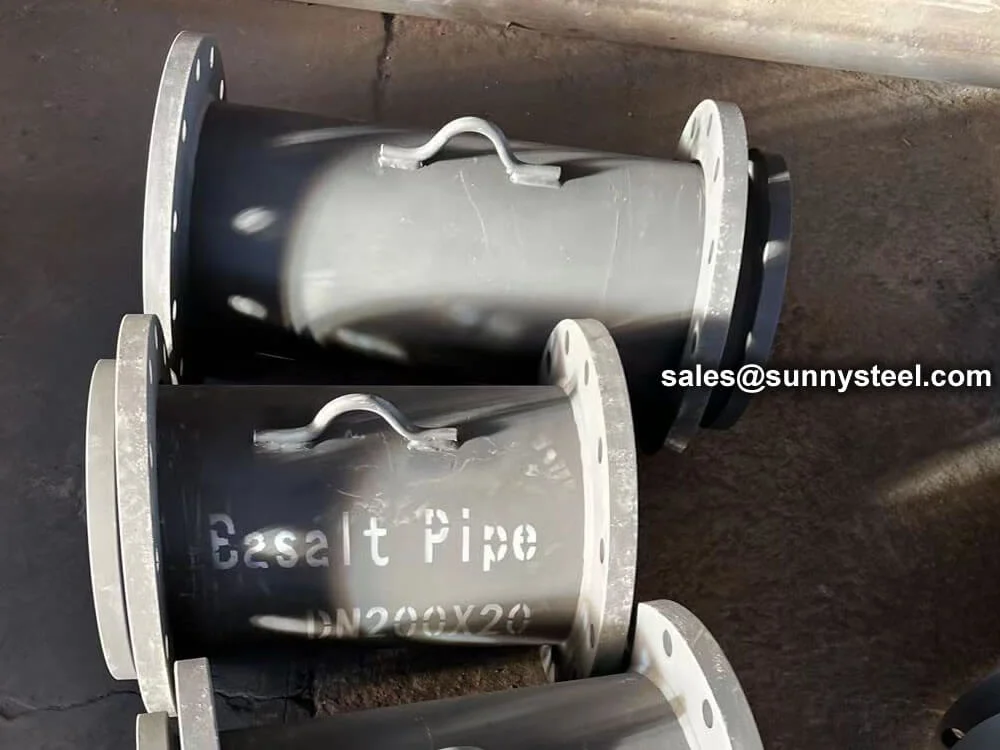
Sizes: Cast basalt products come in the form of tiles, formed pieces, and segments. Straight pipes are spun-cast with nominal bores from 32 to 600 mm, wall thickness 20–30 mm, and standard lengths of 500 mm. Smaller bores, pipe segments with radii of 40–3000 mm, and special formed pieces are usually sand-cast. Steel molds can be used for higher volumes, producing 30–40 mm thick linings.
Cast basalt-lined pipes are widely used in abrasive and ash handling systems such as chutes, troughs, funnels, silos, dust collectors, rotary flow machines, conveyors, and feeders. In chemical plants, they can be used to line pickling tanks or store corrosive substances.
Customized specifications and shapes are available to meet specific project requirements.
Refined into a finely crystallized glass ceramic, Sunny Steel’s cast basalt linings offer extremely durable protection for static plants handling large volumes of abrasive or corrosive media.
Available in both pipe and tile form, cast basalt is ideal for wet material handling systems with lower impacts, such as coal chutes, ash sluiceways, and pipelines at power stations. It provides excellent resistance to wear, corrosion, and temperatures up to ~400°C.
Our factory is equipped with professional technical research and design personnel who can provide product optimization design and services.

S6 JAGUAR Wavelength Dispersive X-ray Fluorescence Spectrometer
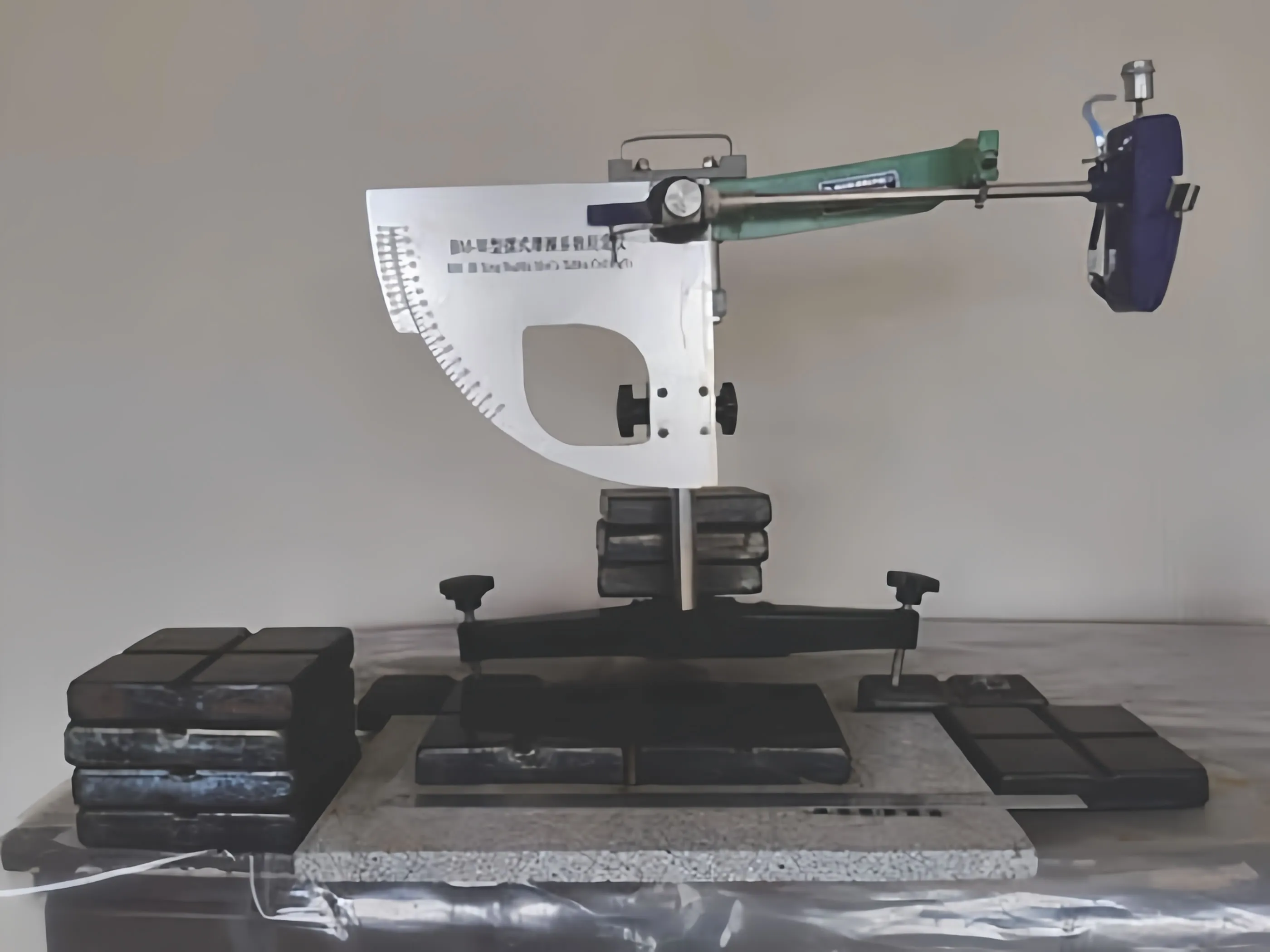
Pendulum Friction Coefficient Tester
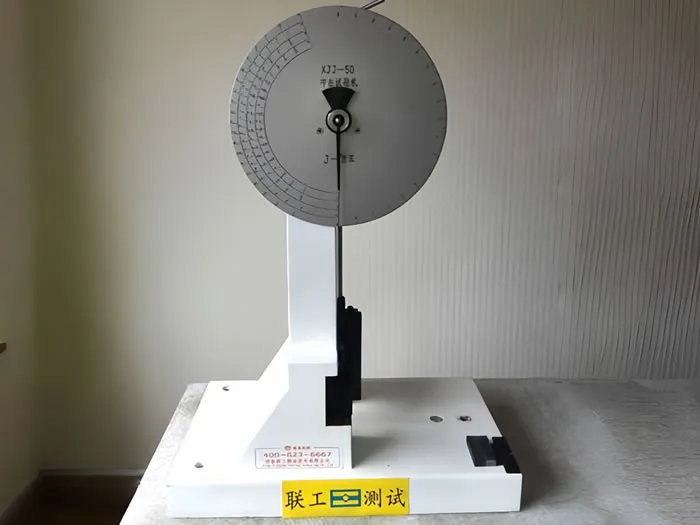
XJJ-50 Single Beam Impact Testing Machine
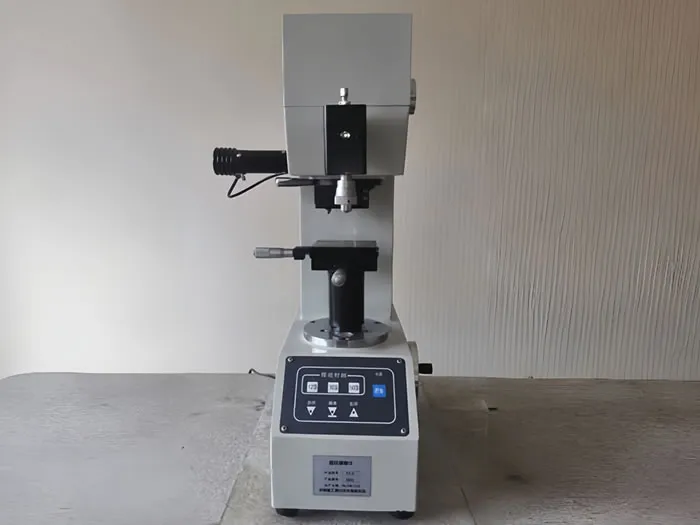
HV-5 Vickers Hardness Tester
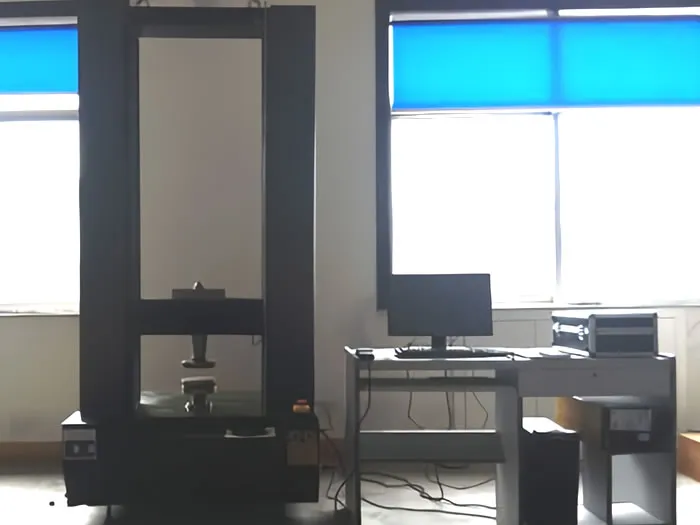
CMT-100 Microcomputer Controlled Electronic Universal Testing Machine
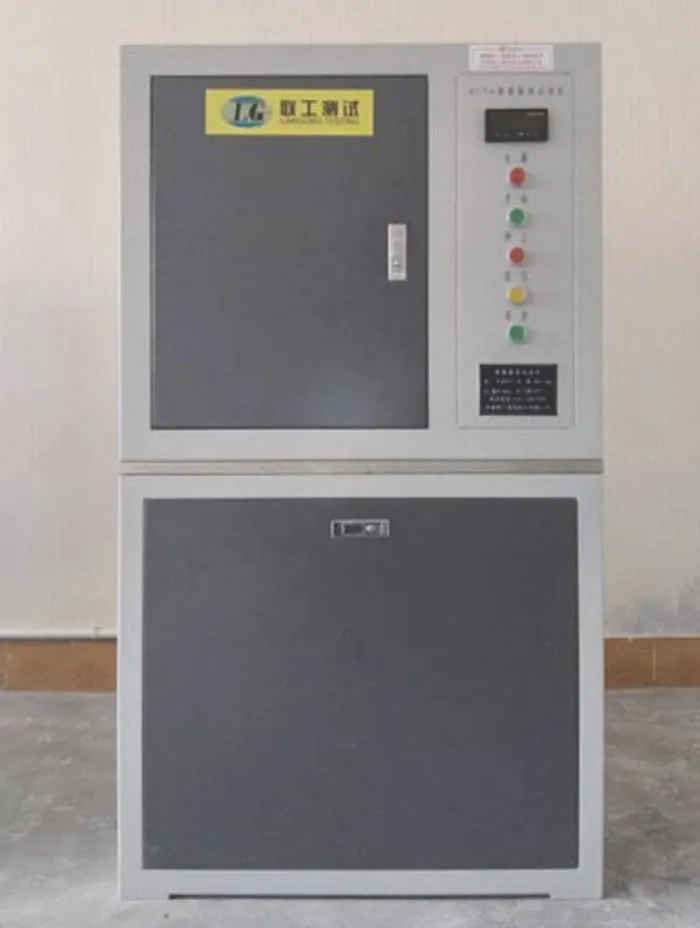
MSY-A Friction and Wear Testing Machine
 Manufacturing Process
Cast basalt is a silicate crystalline material manufactured through a high-temperature refining process. It is produced using natural igneous rocks such as basalt, diabase, or selected industrial waste slag as the primary raw material.
These materials undergo melting, casting, controlled crystallization, and annealing, resulting in a dense, highly wear- and corrosion-resistant product.
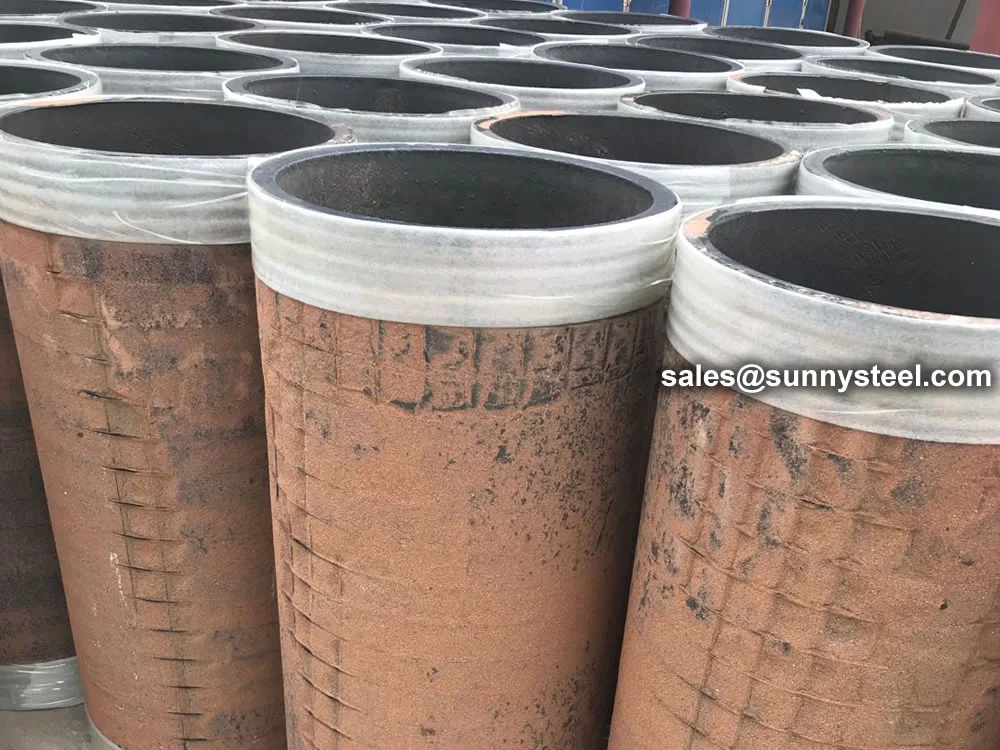
A cast basalt lined pipe typically consists of three layers:
Cast basalt ceramic for abrasion and corrosion resistance
Steel pipe for structural strength
Cement mortar for bonding and chemical passivation
Composite Benefits: This composite structure ensures high durability, pressure resistance, and corrosion protection.
The cement mortar creates an alkaline environment on the inner steel surface, forming a passive protective film that prevents corrosion. Overall, the cast basalt lined pipe is ideal for transporting abrasive or corrosive media in complex operating conditions.
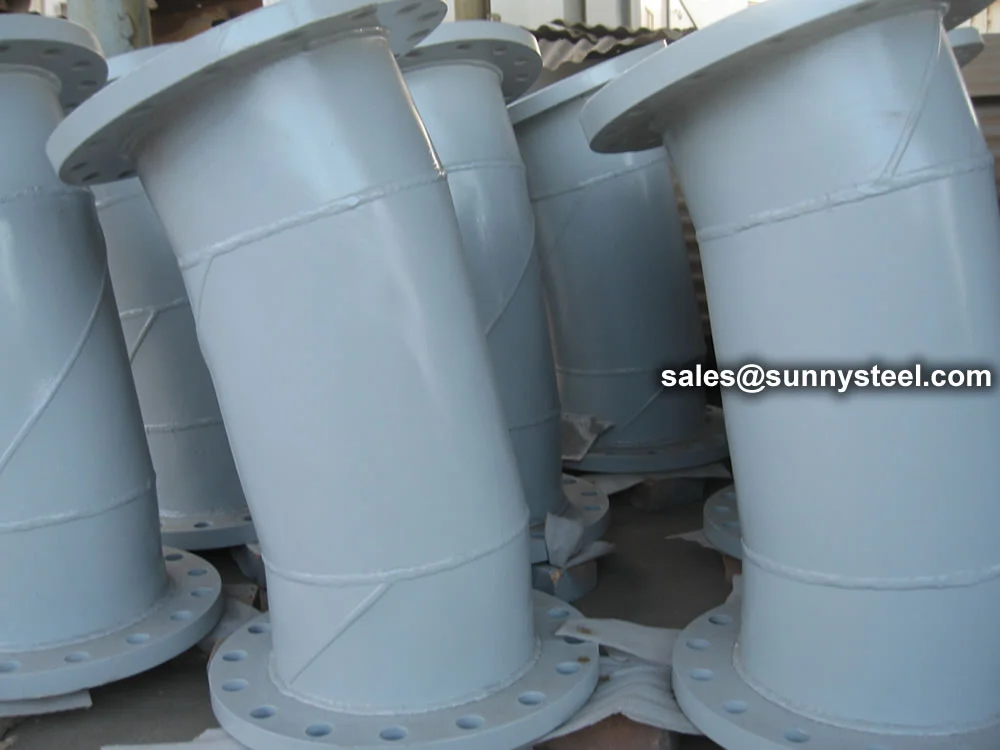
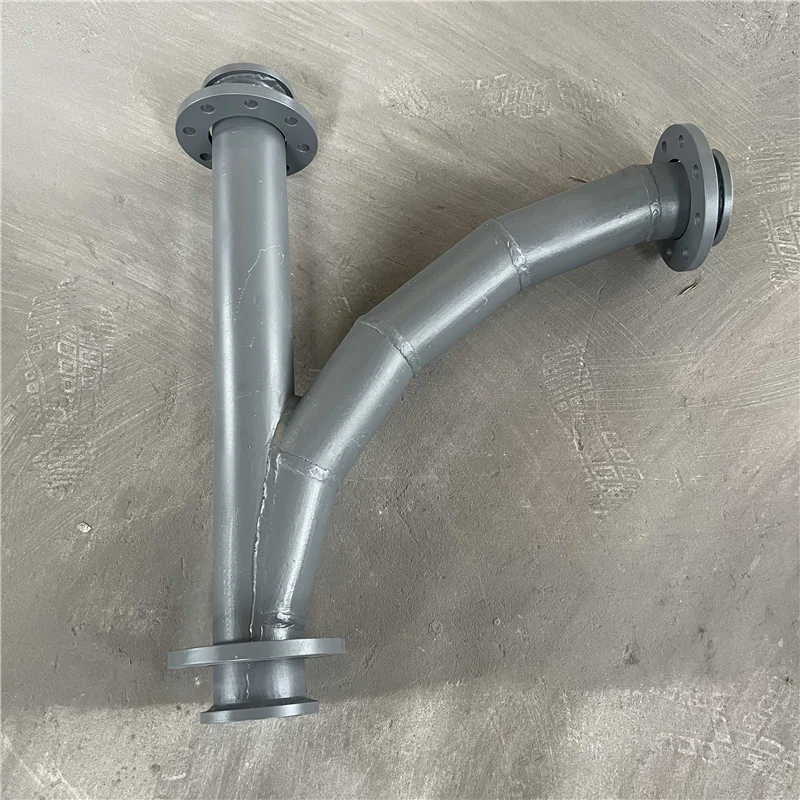
Elbows are designed with turning radii and center angles based on user requirements and share the same diameter series as straight pipes.
Cast basalt is widely used for lining pipework, chutes, bunkers, cyclones, and hoppers in severe abrasion environments.
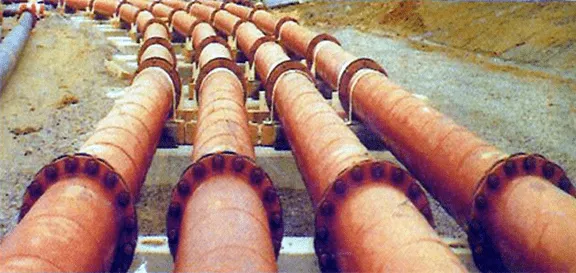
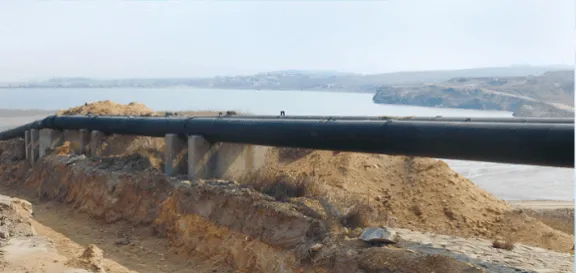
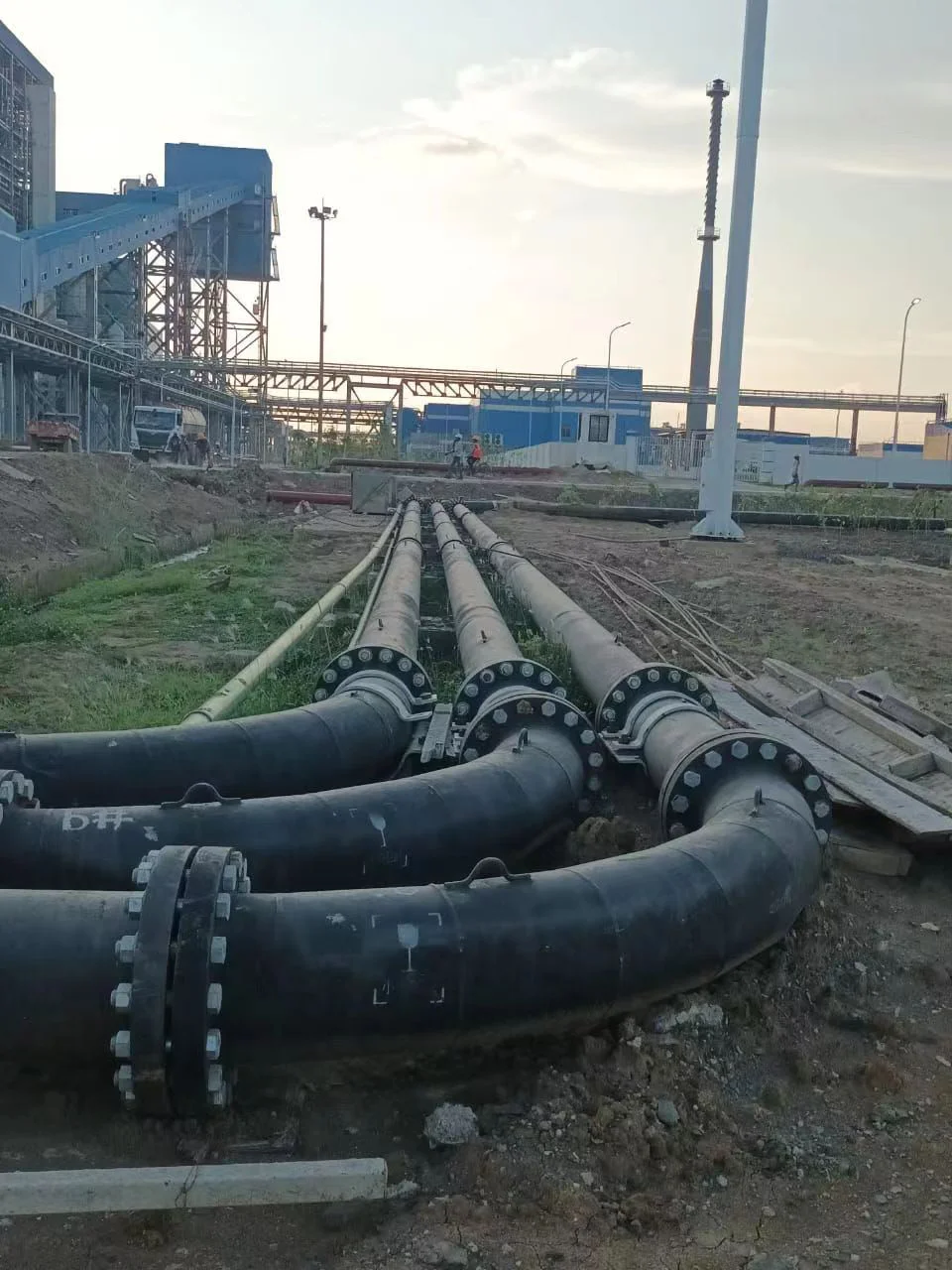
Cast basalt lining has become a global standard in applications such as ash slurry pipework, particularly in fossil-fuel power stations. It offers an excellent balance of cost efficiency, durability, and adaptability.
It is well proven across multiple industries as a long-lasting wear lining material, extending equipment life compared with steel, cast iron, rubber, or polyurethane.
With over 30 years of practical application, cast basalt lined steel pipes have demonstrated outstanding resistance to both wear and corrosion.
In cement plants, it is commonly applied in air separators, chain conveyors, hoppers, ducts, chutes, nozzles, and related components.
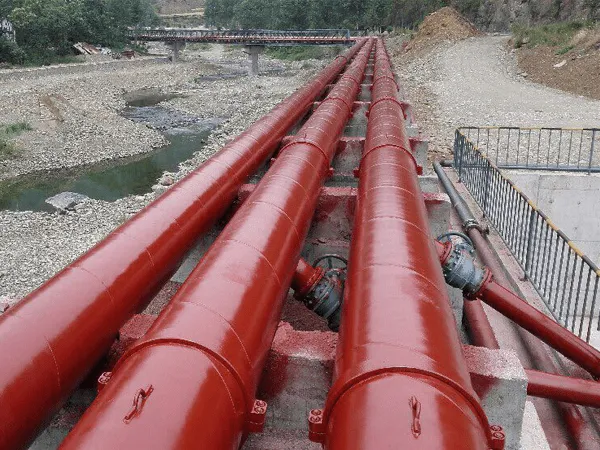
Silicon Carbide Ceramic Lined Pipe